

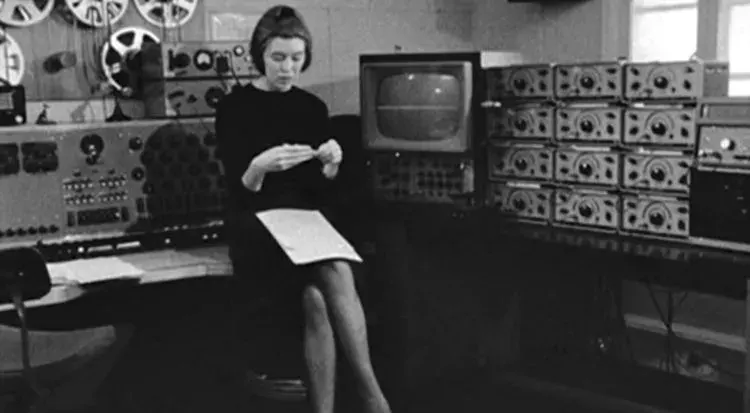
Electronic Dance Music, widely known as EDM, didn’t start in clubs or festivals. It began as an experiment. In the late 1960s and 1970s, artists started exploring electronic instruments, synthesizers, and drum machines to create sounds that traditional bands couldn’t produce. This era laid the technical and creative foundation for everything EDM would later become.
One of the earliest and most influential movements came from Kraftwerk, whose minimal, machine driven sound proved that electronic music could be rhythmic, emotional, and futuristic. Their work inspired producers across Europe and the United States to think differently about music creation.
In the early 1980s, EDM truly began to take shape on dancefloors. In Chicago, DJs used drum machines and synthesizers to create House music, blending disco grooves with electronic beats. At the same time, Detroit gave birth to Techno, a darker, mechanical sound reflecting the city’s industrial atmosphere.
These genres weren’t made for radio. They were made for dancers.
As the sound spread, Europe embraced electronic dance culture through warehouse raves and underground clubs. The 1990s saw the rise of Trance, Jungle, Drum & Bass, and Progressive House, pushing electronic music in new directions and bringing larger crowds together.
What began as underground culture slowly evolved into a global movement.
By the 2000s and 2010s, EDM exploded into the mainstream, filling massive festival stages and influencing pop music around the world. Yet at its core, EDM remains rooted in experimentation, community, and the idea that music can be built from pure sound and rhythm.