

Pettah Interchange began as an idea rooted in rebellion rather than entertainment. It wasn’t born inside a club, a brand deck, or a nightlife calendar. It came from a simple but powerful question shared among Sri Lanka’s underground circles: Why does electronic music always need polished venues to exist? The answer led straight to the heart of the city—raw, chaotic, and unapologetically real.
The concept drew inspiration from global underground cultures where raves reclaimed industrial spaces, bridges, tunnels, and forgotten urban zones. Pettah, already known as Colombo’s most intense commercial and human intersection, felt like the perfect contradiction. Loud by nature, alive 24/7, and never designed for art—yet ideal for it.
What started as quiet conversations between DJs, organizers, and close-knit crews slowly evolved into a risky plan. No big announcements. No mass promotion. Just word of mouth, trust, and belief in the culture. The goal wasn’t numbers—it was authenticity. Turning an interchange into a dancefloor was never about shock value; it was about reclaiming space.
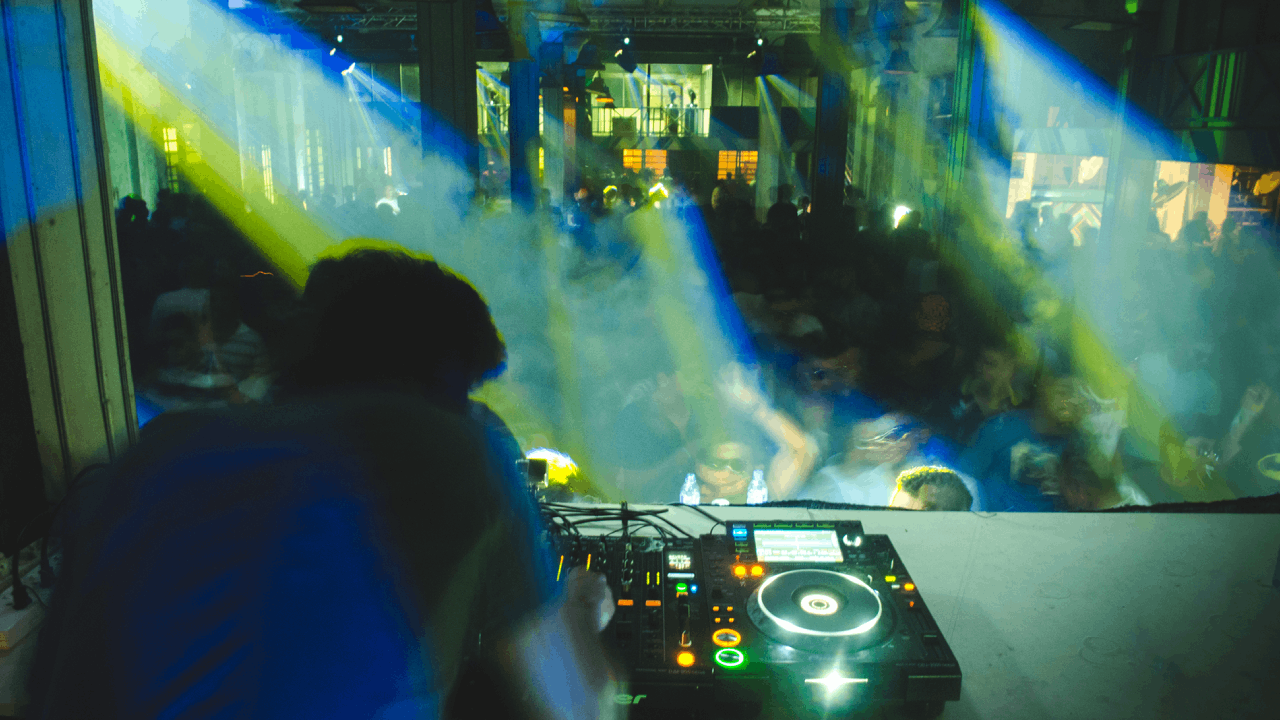
When the night finally arrived, Pettah Interchange transformed. Concrete pillars replaced club walls. Streetlights mixed with strobes. The sound system echoed through the city like a signal. Techno, progressive, and dark electronic grooves weren’t played to impress—they were played to belong to the space. Long sets, deep tension, no shortcuts.
The crowd reflected the spirit of the event. No VIP sections. No hierarchy. Artists, ravers, creatives, first-timers—all moving together. It felt less like a party and more like a temporary community formed inside noise, sweat, and bass. For many, it was the first time Sri Lanka’s underground felt truly honest.
Pettah Interchange mattered because it proved something crucial: underground culture in Sri Lanka doesn’t need permission. It doesn’t need luxury venues, expensive visuals, or mainstream approval. It needs courage, intent, and people who respect the sound.
Long after the music stopped, the impact remained. Pettah Interchange became a reference point—a reminder that the city itself can be an instrument. That real underground moments don’t repeat easily. And that some nights aren’t meant to be replicated, only remembered.
It wasn’t just an event.
It was a line drawn between nightlife and culture.
Back to Blog
History
Pettah Interchange : The Urban Rave
Admin User
January 3, 2026